Why the Current College Application Process is Broken
Upgraded surveyed over 100 students, college counselors, parents, and administrators on their college application experiences through personal interviews and survey forms over the course of 5 months.
The Epilogue
Ally, CEO
My college application list was a messy Google Sheet literally labeled “college list” in all lowercase. I was one girl at a competitive bay area high school trying to get into an elite college, just like the rest of my class.
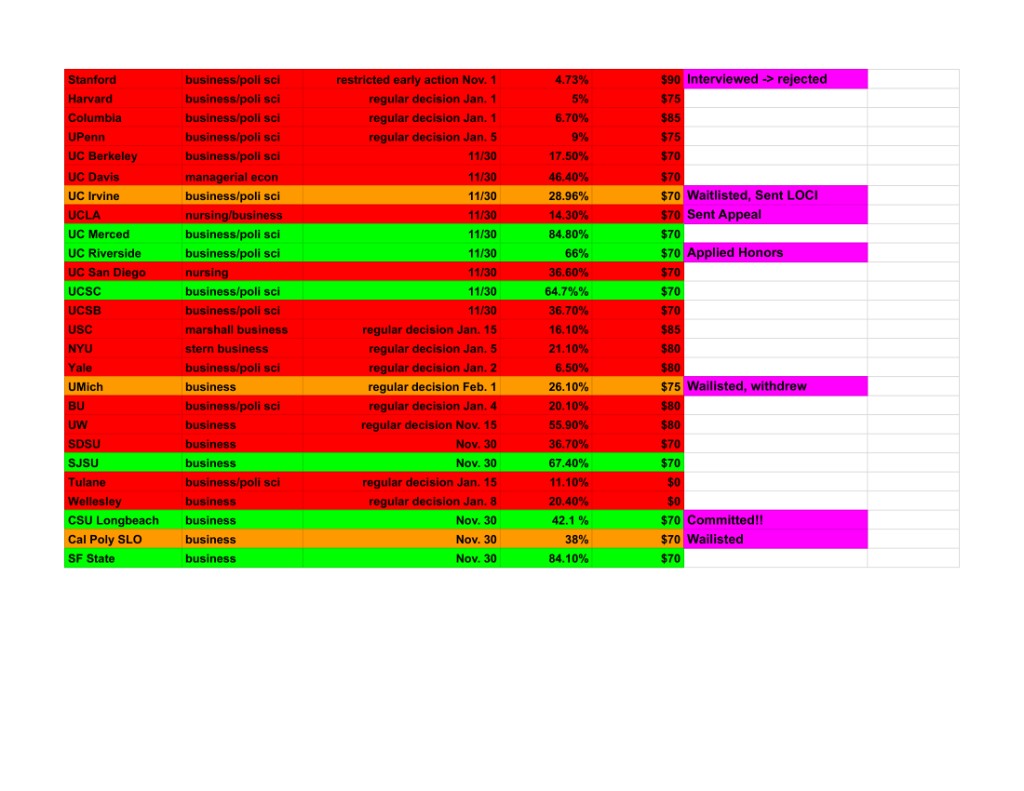
No college counselor or essay writer – just me and my laptop. I whittled the summer away doing hundreds of hours of research across university pages, reddit threads, and Tik Tok videos.
I grew up in the bubble of Silicon Valley, where college prestige triumphed over culture & experience. I felt I had fallen slightly short for choosing CSULB.
It wasn’t because the school was bad. Choosing my school was actually one of the best decisions I’ve ever made. It was because the information online didn’t paint the full picture.
Uli, CTO
When I think back to applying to college, I remember how personal every decision felt. I refreshed my email constantly, and I had convinced myself that if I did not get into a UC, it would be embarrassing.
Looking back now, I had no idea what was waiting for me at CSULB. But how could I? You had to be on campus to experience the culture firsthand, and the media didn’t show the abundance of resources I’d come to know.
College shouldn’t feel like preparing for a 9-5, but rather a stepping stone to build something beyond what you thought was possible.
The Thesis
The current college research/application process isn’t broken because it doesn’t work, but because it wasn’t built for students. It was built for institutions ranking them, platforms advertising them, and counselors billing them by the hour. Students aren’t burnt out because the research itself is hard, but because they get dozens of PR-ready pages instead of one honest source.
The Data
1. Cost & Access
One of the biggest issues for students when applying to school is cost and access. College advising is gatekept behind huge paywalls. Private college counseling packages average $4,500–$6,000^[1], with some affluent families spending up to $120,000 annually. And that’s students who can afford it.
The rest of the student population turns to free high school counseling and advising. But even then, they are understaffed and spread too thin, with the national average student-to-counselor ratio of 376:1^[2] far above the recommended 250:1.
Only 3–10% of students nationwide hire private counselors, yet that figure exceeds 50% at elite private high schools^[3], exposing a stark access gap for the majority of students.
2. Personalization
Age-old authoritative sources like U.S. News & World Report have lost trust from outdated data and constant advertisements, forcing students to use messier alternatives like social media research.
A 2023 survey^[4] of 12,200 students found 42% used Instagram, 39% used Discord, and 58% used Reddit to research colleges. Students want to see cultural insights over academic rankings, so they resort to going down Reddit rabbitholes and doomscrolling on TikTok.
Most AI couldn’t give personalized info, and it was just giving me information from Google that wasn’t accurate or up-to-date.
Surely, there is a better way to personalize student research to fit their values, needs, and demographics with the rise of recent technology.
3. Fragmentation
This brings us to the third problem. Students experience research fatigue from searching across dozens of platforms to find one piece of information, like:
What does dorming at CSULB look like?
College ranking and data sites don’t show the full picture.
As one student put it, current college research sites don’t tell you anything about the student experience or culture.
The cost of that fragmentation is measurable: 74% of students report feeling overwhelmingly stressed about college applications (Princeton Review, cited by U.S. News, 2024).
The Inception
Here’s the actual truth: the most selective colleges don’t automatically produce better outcomes than less prestigious ones. Most of it is money and marketing fluff. Prestige and fit are two different things, and identifying that difference is the first step.
The Solution (aka what we’re building)
We went to the drawing boards to curate a college discovery experience that feels right for students. Here’s how it works.
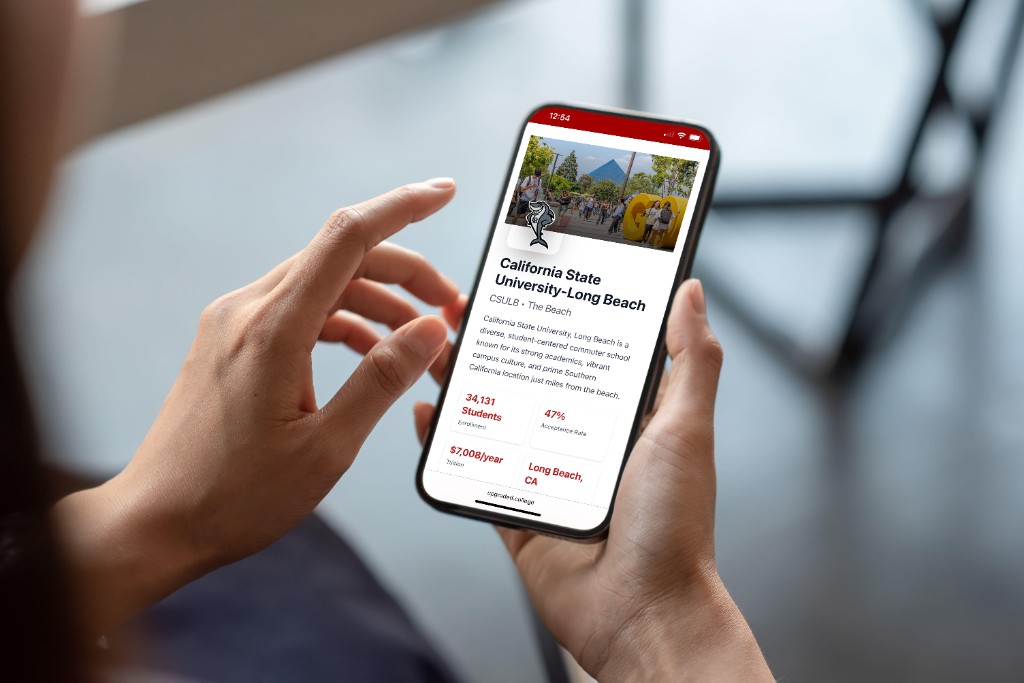
- Data integration: Upgraded builds comprehensive profiles for every U.S. four-year university by combining data from multiple verified sources, so everything is in one place.
- Campus experience: Each school page includes a realistic snapshot of student life carefully curated by students for students: Academics, Student Orgs, Housing & Dining, Events, Culture, & Nightlife.
- Application tracker: A centralized application dashboard where students can track any college application and get instant deadline and requirement reminders.
What Now?
Upgraded has been in stealth mode, slowly building over the course of 7 months. But now, we are sharing our story to have you follow along and build with us the whole way through.
For a personal demo or inquiries, contact us at founders@upgraded.college.
Sources
- [1] Ivy Coach — Fees for college consultants
- [2] American School Counselor Association — School counselor roles & ratios
- [2] NACAC — Support for school counselors
- [3] Calculated from sources including Ivy Coach, Time Magazine, and Forbes
- [4] Niche.com — Social Media for College Search 2023 Benchmark